



















RELATED PRODUCTS
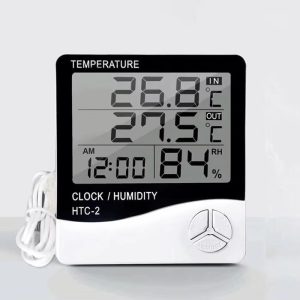
Temperature Humidity Meter,LCD Electronic Digital Outdoor/Indoor Thermometer Hygrometer with Clock Time Humidity Monitor for Home,Bedroom,Pet,Reptile,Plant,Greenhouse,Basement,Guitar (HTC-2)
In stock
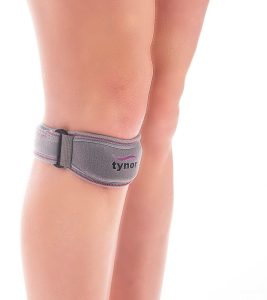
Tynor Patellar Support Grey – Premium Universal Knee Cap for Reliable Patella Protection, Enhanced Stability, Comfort & Knee Pain Relief
In stock
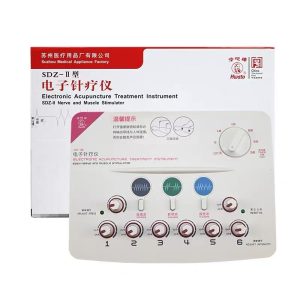
Hwato Electronic Acupuncture Instrument SDZ-II(latest version) Massager 6 Channels Output Nerve & Muscle Whole_Body Stimulator, Multicolour
In stock

Baby Nasal Aspirator Manual Hand Pump | Non-Invasive Nose Cleaner for Baby & Toddler | 2-Finger Handle
In stock
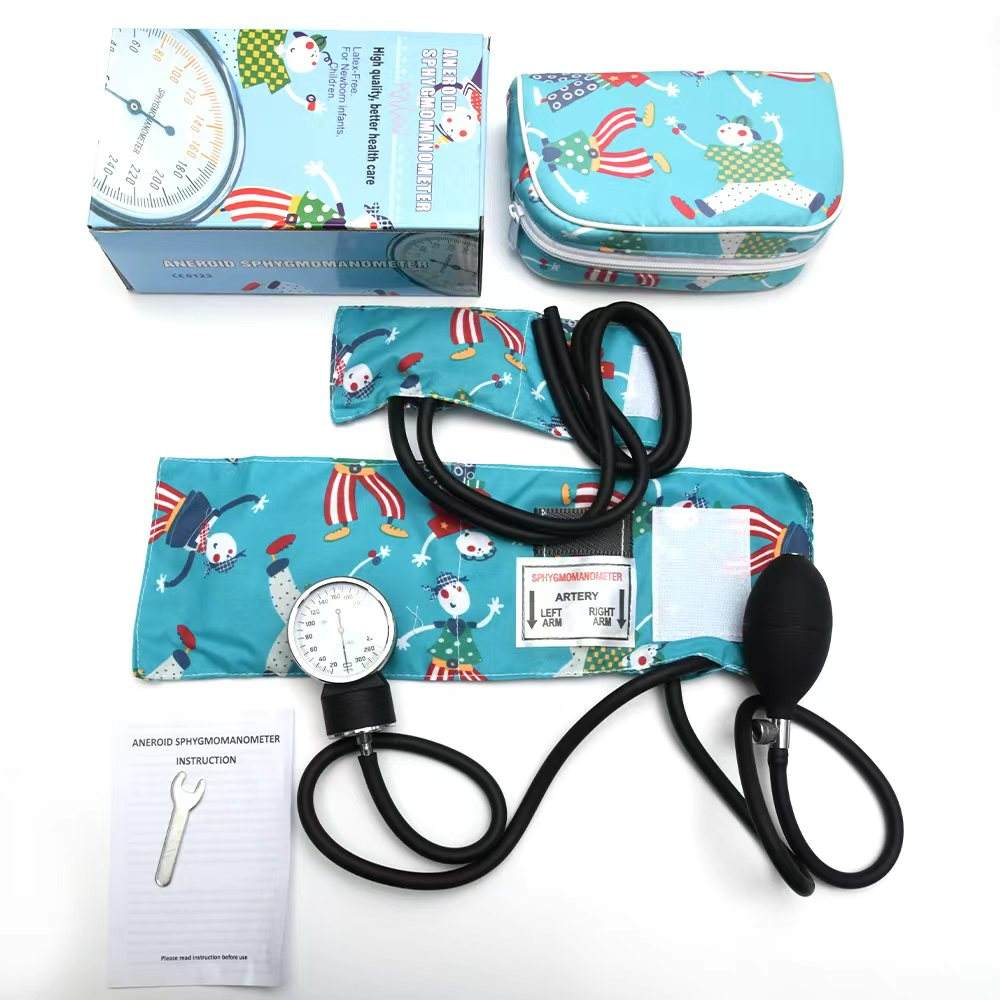
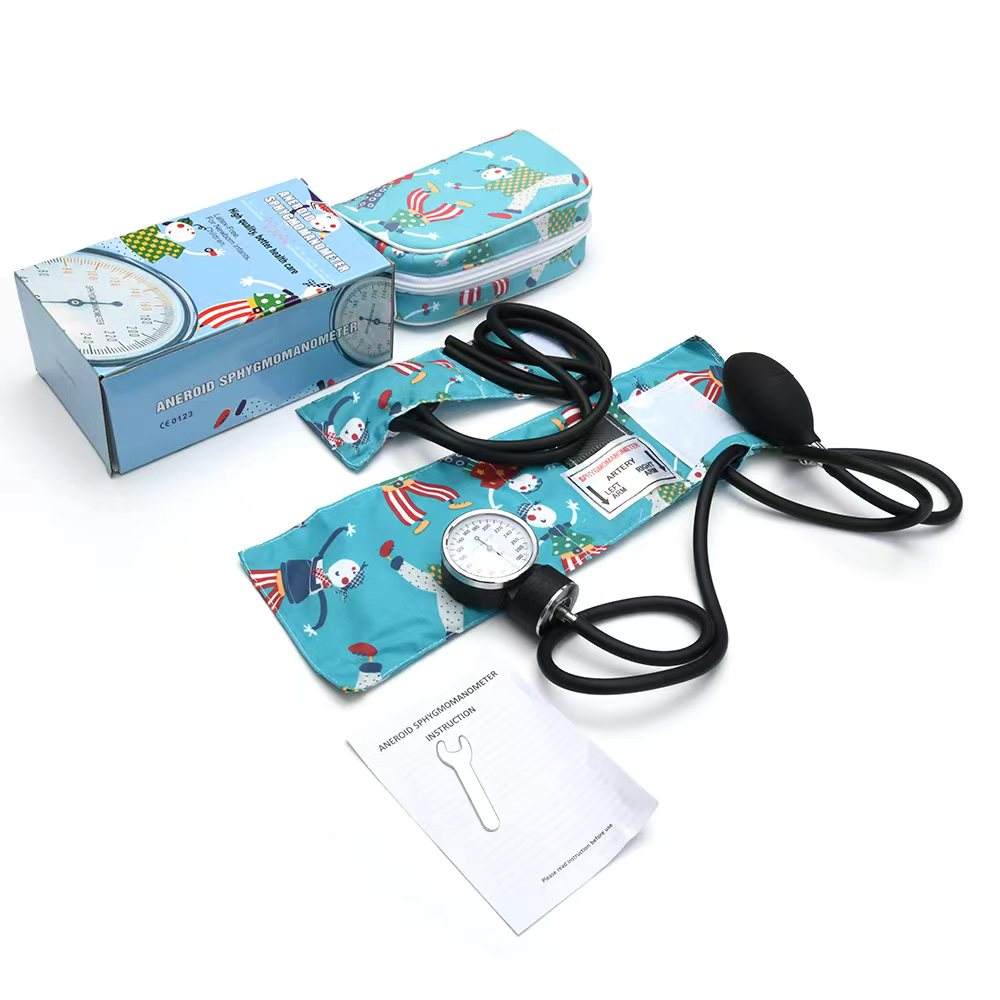
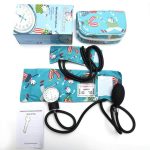
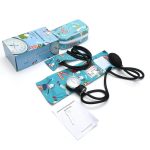
Manual Pediatric Blood Pressure Monitor for Child, Infant & Neonate – Aneroid Sphygmomanometer with BP Cuff
The Manual Pediatric Blood Pressure Monitor is a practical blood pressure measurement device designed for use with children, infants, and neonates when an appropriately sized cuff is selected. This traditional aneroid sphygmomanometer provides a simple and convenient way to manually monitor blood pressure using an arm cuff, inflation system, and pressure manometer.
Designed for pediatric blood pressure measurement, this manual BP monitor can be useful in hospitals, clinics, pediatric consultation rooms, nursing facilities, medical training environments, and home monitoring situations where manual blood pressure measurement is appropriate. Its compact design makes it convenient to store and carry when needed.
Pediatric Blood Pressure Monitor for Child & Infant
Blood pressure cuffs need to be appropriately sized for the patient. A cuff that is too large or too small can affect measurement accuracy. This pediatric blood pressure monitor is intended for use with smaller arms, including children and infants, depending on the cuff size supplied with your selected product variant.
The manual design allows the user to inflate the cuff and observe the pressure reading on the aneroid manometer. Unlike automatic digital blood pressure monitors, this device is operated manually and can be used together with a suitable stethoscope and standard blood pressure measurement technique.
Clear Aneroid Manometer
The built-in aneroid manometer is designed with an easy-to-read pressure scale. The dial allows the user to observe pressure during measurement without relying on batteries or an electronic display.
The analog design is especially useful in clinical and educational environments where healthcare professionals or students are learning and practicing manual blood pressure measurement techniques.
Suitable for Pediatric Use
This blood pressure monitor is designed with pediatric applications in mind. It may be suitable for:
- Children
- Infants
- Pediatric patients
- Smaller arm sizes
- Clinical pediatric examinations
- Medical training and practice
- Home monitoring when advised by a healthcare professional
Please check the cuff dimensions and product specifications before purchasing to ensure the cuff is suitable for the intended patient’s arm circumference.
Manual Operation
The manual operation gives the user direct control over cuff inflation and pressure release. The cuff is wrapped around the upper arm, inflated using the hand bulb, and gradually deflated while the pressure is observed on the manometer.
For manual blood pressure measurement, proper positioning, cuff placement, inflation, and deflation technique are important. Measurements should be performed by a trained or appropriately instructed person, particularly when measuring blood pressure in infants and neonates.
Portable and Convenient Design
The compact design makes this manual sphygmomanometer convenient for storage and transportation. It can be kept in a medical equipment bag, clinic drawer, nursing station, examination room, or home medical kit.
Because the device is manually operated, there is no need for batteries or electrical power. This makes it convenient for locations where a powered blood pressure monitor may not be available.
Important Features
1. Pediatric-Focused Cuff
The product is intended for use with smaller arm sizes. Always select the appropriate cuff according to the patient’s arm circumference.
2. Aneroid Pressure Gauge
The analog pressure gauge provides a traditional method of observing blood pressure cuff pressure.
3. Manual Inflation
The hand inflation bulb allows the user to manually inflate the cuff during measurement.
4. Easy-to-Read Dial
The manometer features a visible pressure scale designed for convenient reading during manual measurement.
5. No Battery Required
As a manual device, it does not depend on batteries or electrical power for operation.
6. Suitable for Clinics and Medical Practice
The monitor can be useful for pediatric clinics, hospitals, nursing facilities, medical students, healthcare professionals, and appropriate home-use situations.
How to Use
For best results, blood pressure should be measured using an appropriate and standardized technique.
- Allow the child or patient to remain calm and comfortably positioned.
- Select the correct cuff size according to the patient’s upper-arm circumference.
- Place the cuff securely around the upper arm according to standard blood pressure measurement guidelines.
- Position the arm appropriately and keep the patient still during measurement.
- Use a suitable stethoscope when performing manual auscultatory blood pressure measurement.
- Inflate the cuff using the hand bulb.
- Gradually release the pressure while observing the manometer and listening with the stethoscope.
- Record the measurement according to the appropriate clinical procedure.
- If necessary, repeat the measurement according to professional guidance.
For infants and neonates, blood pressure measurement should be performed by trained healthcare personnel using an appropriate cuff and technique.
Why Choose a Manual Pediatric BP Monitor?
A manual aneroid blood pressure monitor can be a useful addition to a pediatric medical equipment collection. Its straightforward mechanical design provides an alternative to electronic blood pressure devices and does not require charging or battery replacement.
It can also be useful for medical education, allowing students and healthcare trainees to become familiar with manual blood pressure measurement procedures.
For healthcare facilities, having different cuff sizes available can help accommodate patients with different arm circumferences. Correct cuff selection is an important part of obtaining a reliable blood pressure measurement.
Important Cuff Size Information
Cuff size is one of the most important considerations when purchasing a pediatric blood pressure monitor. Children, infants, and neonates have different arm sizes, so one cuff may not be appropriate for every patient.
Before ordering, carefully check the available cuff size, dimensions, and specifications provided on the product listing. Choose the cuff that matches the patient’s upper-arm circumference and the manufacturer’s recommended size range.
If multiple cuff sizes are available, select the appropriate size based on the intended age group and arm circumference rather than age alone.
Applications
This manual pediatric blood pressure monitor may be used in a variety of settings, including:
- Pediatric hospitals
- Clinics and consultation rooms
- Nursing facilities
- Medical centers
- Healthcare training institutions
- Medical education laboratories
- Pediatric examination rooms
- Home healthcare environments
- First-aid and medical equipment kits
It is particularly useful where manual blood pressure measurement equipment is required.
Care and Maintenance
To help maintain the device, store it in a clean and dry location when not in use. Avoid exposing the manometer, cuff, tubing, and inflation bulb to unnecessary moisture, excessive heat, or physical impact.
Inspect the cuff, tubing, bulb, and gauge regularly for visible damage or air leakage. If any component becomes damaged or the equipment does not appear to function correctly, discontinue use until it has been checked or replaced.
The manometer should be handled carefully to help protect the internal mechanical components.
Safety & Usage Note
This product is intended as a blood pressure measurement device and should be used according to proper medical measurement procedures. It does not replace professional medical advice, diagnosis, or treatment.
Blood pressure readings in infants, neonates, and children require appropriate interpretation according to age, size, clinical condition, and professional medical guidelines. If a child or infant has concerning symptoms or an unusual blood pressure reading, consult a qualified healthcare professional.
Always use the correct cuff size. Incorrect cuff selection or improper measurement technique may result in inaccurate readings.
Product Highlights
- Manual pediatric blood pressure monitor
- Suitable for children and smaller arm sizes
- Designed for pediatric blood pressure measurement
- Aneroid mechanical pressure gauge
- Manual inflation and pressure release
- Easy-to-read analog dial
- No battery or electricity required
- Portable and convenient design
- Useful for clinics, hospitals, and medical training
- Appropriate cuff selection is essential for accurate measurement
Conclusion
The Manual Pediatric Blood Pressure Monitor is a convenient and practical choice for manual blood pressure measurement in pediatric settings. With its aneroid manometer, manual inflation system, and pediatric-oriented cuff design, it can be useful for healthcare professionals, clinics, hospitals, medical students, and trained caregivers.
Its battery-free mechanical operation makes it simple to store and use in different environments. Whether for pediatric clinical examination, medical education, healthcare practice, or appropriate home monitoring, this manual sphygmomanometer offers a traditional approach to blood pressure measurement.
Before purchasing, always confirm the available cuff size and make sure it is appropriate for the patient’s upper-arm circumference. For infants and neonates, measurement should be performed by trained healthcare personnel using suitable equipment and standardized technique.


Reviews
Clear filtersThere are no reviews yet.